May is National Speech-Language-Hearing Month, a time when speech-language pathologists across the country pause to reflect on why this work matters. This year I'm marking the month a little differently. Instead of facts and infographics I'm sharing real stories. These are moments that shaped the way I think about communication. It is my “why”.
This is the first one.
The Classroom
Early in my career I was placed in a self-contained preschool classroom with a child who had no functional words and no way to communicate with the world around him.
I had no training for this. No formal resources. My graduate program had introduced the concept of augmentative and alternative communication — AAC — and mentioned an approach called PECS, the Picture Exchange Communication System. But ‘mentioned’ is the right word. There was no hands-on training, no supervisor to call and no roadmap for what to actually do when you are standing in front of a four year old who has something to say and no way to say it.
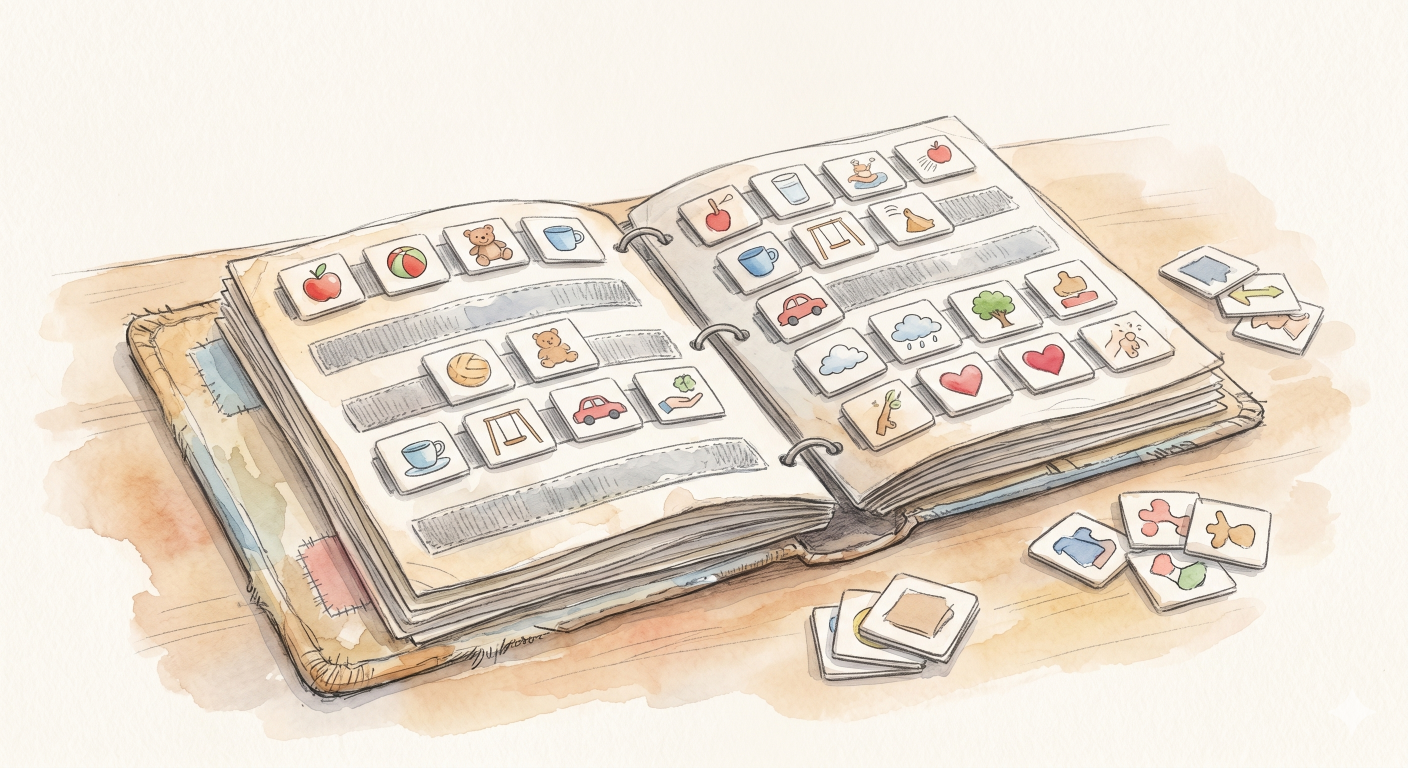
So I leaned into the discomfort of not knowing and started teaching myself. I stayed up late after work, night after night, teaching myself. I read everything I could find about PECS. I gathered materials. I built a communication binder from scratch — velcro strips across the pages, small picture cards representing the things that mattered to this child. His favorite foods. His favorite toys. The people he loved.
I brought it in and we tried it together — this little child and me — not knowing if it would work.
It worked.
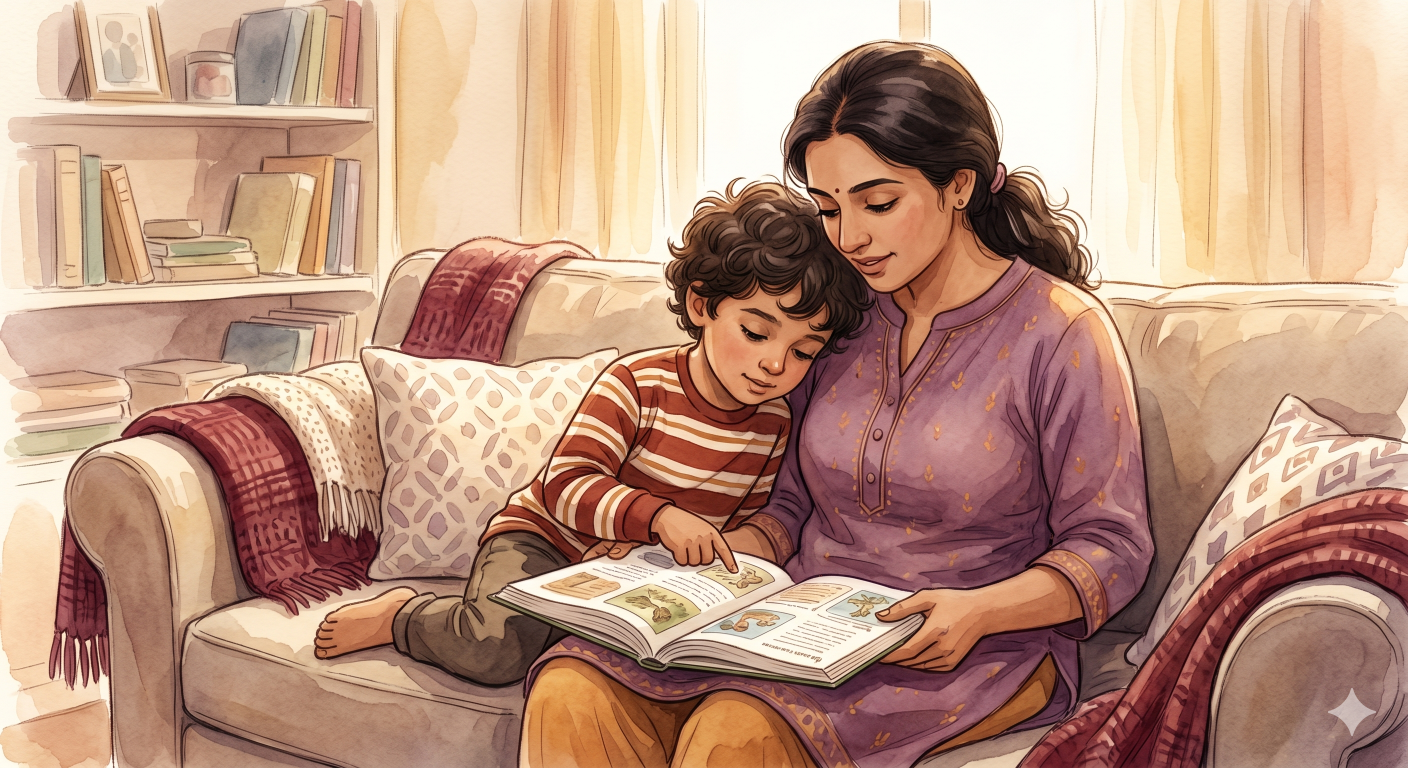
He started making requests, choosing what he wanted and telling us things. Not with spoken words but with intention, with meaning and with power. He would select a picture card and hand it to me and in that exchange something profound was happening. He was communicating. He was being understood.
And then I brought his mom into the school to show her.
She cried.
What That Moment Taught Me
I think about that classroom often and especially when someone asks me what speech and language therapy is really about.
Because experience has a way of making theory real and this moment made it very real:
Speech and language are not the same thing.
Speech is the production of sound. It is the physical, motor act of forming words with our mouths. It is one channel of communication. An important one but only one.
Language is something much bigger. Language is symbolic communication. It is the system we use to represent the world around us and share it with someone else. Language can live in spoken words but it can also live in pictures, in signs, in gestures, in writing and in a laminated binder that becomes a four year old's voice to the world.
That little boy had no speech. But he had language. He had thoughts, preferences, feelings and needs. He had something to say — he just needed a way to say it.
When we gave him that way, everything changed. Not just for him but also for his family. For the relationship between a mother and her child that had been constrained by the absence of a shared communication system.
That is what augmentative and alternative communication (AAC) does. It does not replace speech. It does not prevent speech from developing. What the research tells us, and what I have seen over and over in my clinical work, is that giving a child a means to communicate actually supports language development. It reduces frustration and builds connection. It gives a child power over their own life.
What This Means for Your Family
If you have a child who is not yet speaking or whose speech is not yet functional enough to meet their daily communication needs please know this:
Your child has language. It may not look the way you expected. It may not sound the way you hoped. But the capacity to communicate, to connect, to reach out from inside themselves and touch another person is there. Our job as speech-language pathologists is to find the pathway that works for your child and build it.
PECS is one approach. There are others — high tech AAC devices, sign language, visual supports, and more. Every child is different and every communication system should be built around the specific child in front of us.
If you have been told to wait and see, or that introducing AAC will prevent your child from developing speech, I encourage you to seek a second opinion. The evidence does not support that position. What the evidence does support is early intervention, a robust communication system, and a family that is empowered to communicate with their child at home.
That mother's tears in that classroom were not just tears of relief. They were tears of reconnection. Of suddenly being able to know what her child needed, wanted and felt.
Every family deserves that. 💜